
Effective stakeholder management is one of the most critical aspects of successful project and portfolio management. In today’s fast-paced, interconnected world, professionals must navigate remote work, globalization, organizational change, and evolving customer expectations. Hard skills and technical expertise alone are no longer sufficient. To truly engage stakeholders, resolve conflicts, and drive projects forward, mastering soft skills is essential.
The Complexity of Stakeholder Management
Stakeholder management has become increasingly complex due to several evolving factors:
- Remote Work – Managing virtual teams with security and communication challenges.
- Globalization – Working across different time zones, cultures, and functional areas.
- Organizational Changes – Adjusting to mergers, acquisitions, and digital transformation.
- Market Disruptions – Navigating global supply chain issues and industry shifts.
- Customer Expectations – Adapting to increasing demands for personalization and flexibility.
- Regulatory Compliance & Sustainability – Aligning with changing legal and ethical standards.

Each of these factors influences how we engage with stakeholders, requiring a dynamic, adaptable approach to communication and collaboration.
Why Some Stakeholders Are Challenging
Not all stakeholders are easy to manage, and conflicts often arise due to:
- Conflicting Interests – Differing goals and priorities across teams and organizations.
- Emotional Barriers – Resistance to change, frustration, or lack of alignment.
- Knowledge Gaps – Variability in expertise and understanding of projects.
- Trust Issues – Skepticism or past negative experiences that create barriers.
- Power Struggles – Competing influence and decision-making authority.
Understanding these dynamics helps portfolio managers anticipate challenges and apply the right soft skills to foster collaboration and alignment.
Essential Soft Skills for Stakeholder Management
To successfully manage stakeholders, portfolio managers need a well-rounded set of soft skills, including:
- Communication – Clear, transparent, and consistent messaging to build trust.
- Emotional Intelligence – Understanding and managing emotions to foster productive interactions.
- Adaptability – Navigating change and adjusting to evolving stakeholder needs.
- Leadership – Setting an example, inspiring confidence, and surfacing valuable ideas.
- Problem-Solving – Addressing challenges proactively and mitigating risks effectively.
Mastering these skills allows professionals to engage stakeholders meaningfully and drive successful project outcomes.
Building Authentic Connections

Building genuine, lasting relationships with stakeholders requires:
- Regular, clear communication to keep them informed about progress, risks, and challenges.
- Empathy and understanding of their perspectives and concerns.
- Personalized engagement based on individual and organizational priorities.
- Transparency in decision-making and risk mitigation.
- Accountability and responsibility for actions and commitments.
A stakeholder who feels heard and valued is more likely to collaborate effectively and contribute to a project’s success.
Soft Skills Are Not One-Size-Fits-All
It is a mistake to assume that a successful stakeholder management strategy in one project or organization will work the same way elsewhere. Every situation requires a tailored approach, making continuous learning and development crucial.
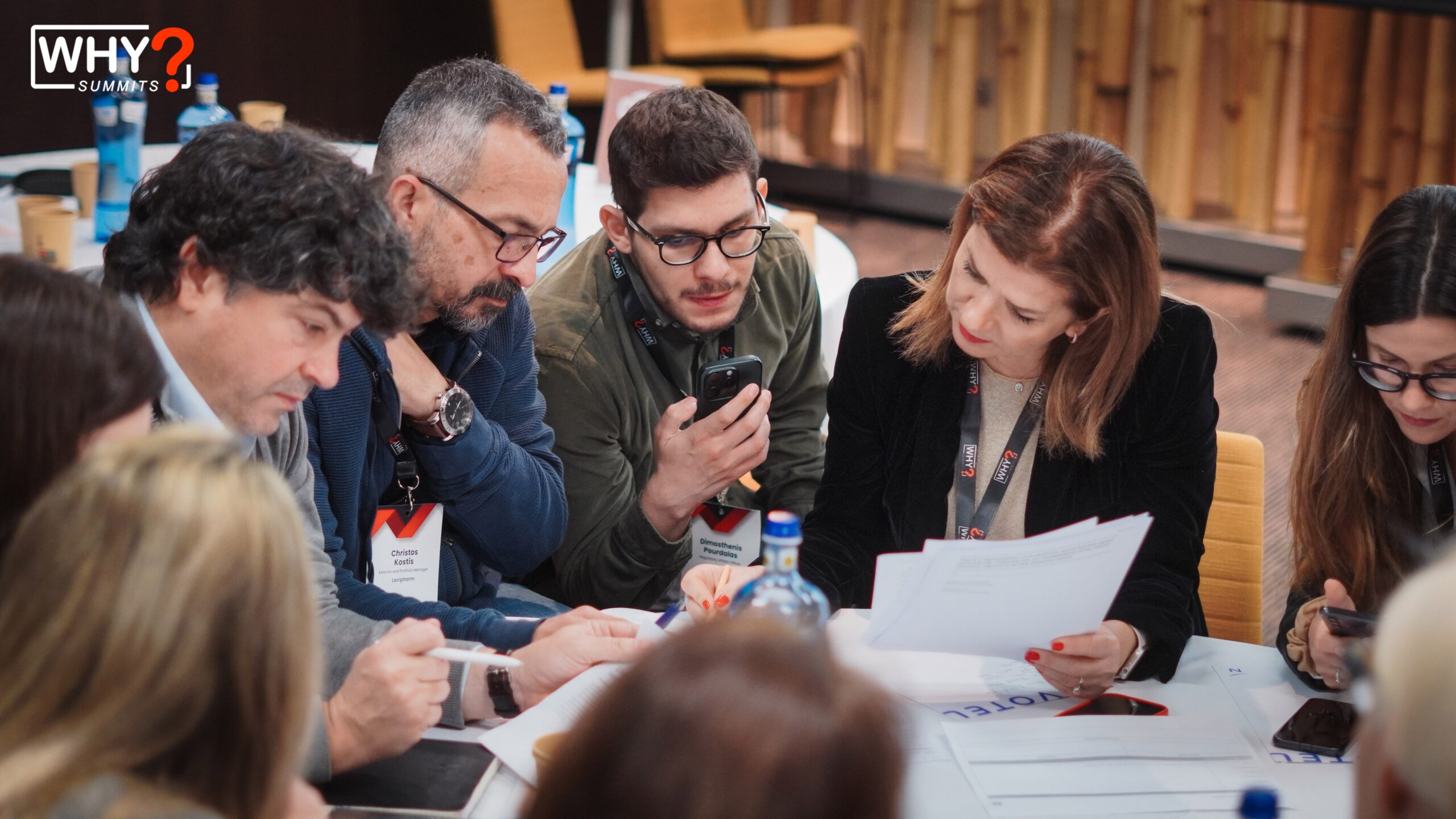
One of the best ways to refine these skills is by attending boutique-style conferences and masterclasses by Why Summits. These events offer a unique opportunity to engage with industry experts, participate in hands-on discussions, and gain practical insights into stakeholder management.
Soft Skills Assessment and Development Tools
Professionals looking to evaluate and enhance their soft skills can benefit from tools such as:
- Leadership Training Programs
- Communication and Conflict Resolution Workshops
- Networking and Mentorship Initiatives
As the business landscape continues to evolve, soft skills in stakeholder management are more important than ever. Effective communication, adaptability, and emotional intelligence can make the difference between project success and failure.
Are you looking to strengthen your stakeholder management skills? Check out Why Summits’ upcoming conferences to connect with industry leaders, enhance your expertise, and gain valuable insights into mastering stakeholder engagement.